
Beauty Cosmetics Product Description Case Study
How strategic product description copy uses formulation transparency and sensory storytelling to drive skincare conversions
Scope:
Conversion-Focused Product Description Copywriting
Industry:
Beauty & Cosmetics / Skincare / D2C E-Commerce
What Was Delivered:
Product Description Rewrites for Core SKUs (Conversion + Trust-Focused)
Strategic Overview
Four product pages for Luminelle Beauty—a natural skincare brand targeting educated, ingredient-conscious consumers—rewritten from clinical feature lists into benefit-first narratives that earn trust and drive action.
The challenge: beauty buyers are both aspirational and deeply skeptical. Every word had to walk the line between scientific credibility and emotional resonance.
The Problem: Why “Natural Beauty” Copy Fails Educated Buyers
Skincare buyers in this category know their ingredients—they read labels and actively research formulations, reflecting the behavior of ingredient-conscious consumers who prioritize transparency in product decisions.
Generic beauty copy fails this audience in three predictable ways:
- Vague “natural” language signals nothing. “Clean,” “organic,” “botanical” have been diluted to meaninglessness by brands that don’t back them up.
- Feature lists don’t answer the real question: “Will this actually work for me?”
- No objection handling means no conversion. Texture, pillow residue, pilling under makeup, post-wash tightness—these are the fears that kill the add-to-cart.
The brief: replace passive, clinical descriptions with high-authority copy that addresses specific skin concerns without sacrificing authenticity.
The Strategy: Four Pillars That Drove the Rewrites
Trust Through Transparency
Rather than hiding behind “natural beauty” positioning, the copy leans into why specific ingredients were chosen over cheaper alternatives.
Explaining the cost-efficacy tradeoff—openly—is the trust signal educated buyers are actually looking for. It signals: this brand isn’t optimizing for margin. It’s optimizing for results.
Diagnostic Hook Framework
Each product opens with a self-diagnostic moment that helps readers recognize a problem they haven’t quite named yet—from the Towel-Dry Test that reframes post-wash tightness as damage, not clean, to the mirror moment revealing dullness and emerging fine lines.
Creating the “aha moment” before introducing the product makes the product feel like a necessary solution—not a sales pitch.
Ritual-Driven Skincare Positioning
Beyond skin results, beauty products serve a psychological function—a deliberate pause in the day—which the Night Oil copy captures in a single line: ‘This isn’t just skincare. It’s the 60 seconds where you actually slow down.’
This framing justifies premium pricing through emotional ROI—the product becomes an investment in mental wellbeing, not just skin health.
Noticeable Difference Timeline
To reduce post-purchase regret and refund requests, each product includes a specific, honest results timeline: 3 Day, 2 Weeks, 2 Months.
No overnight miracles. Just realistic, progressive improvement—stated with enough specificity to feel credible.
The Execution: Product Rewrites

Product 1: Radiance Renewal Vitamin C Serum
Category: Treatment Serum | Anti-Aging | Brightening | Price: $48 | 30ml / 1 fl oz
Target Pain Points: Dull, tired-looking skin; uneven tone requiring concealer coverage; fine lines arriving ahead of schedule; post-breakout dark spots that linger; the lost “youthful glow” people used to comment on.
Before: Original Copy
“Our Radiance Renewal Serum is a powerful skincare solution that has been specially formulated to address multiple skin concerns including dullness, uneven skin tone, fine lines, wrinkles, and age spots. This advanced serum contains a potent blend of scientifically-proven ingredients including vitamin C, hyaluronic acid, and rosehip oil that work together synergistically…”
A feature dump dressed as a product description. No pain point. No specificity. No reason to choose this over any other vitamin C serum.
After: Rewritten Copy
Your skin, but brighter. Firmer. Impossibly smooth.
That dull, tired look in the mirror? The uneven tone you’ve been covering with foundation? The fine lines that weren’t there last year?
This is where they start to fade.
We used L-Ascorbic Acid at 15% because, frankly, the cheaper vitamin C derivatives just don’t do the heavy lifting your skin needs. Yes, it’s harder to stabilize. Yes, it costs more. But it’s the only form with decades of research proving it actually works.
What It Does
Brightens without bleaching.
L-Ascorbic Acid inhibits melanin production at the source, fading dark spots and evening out tone. Not by stripping your skin—by correcting what’s underneath. You’ll notice the difference when you stop reaching for concealer every morning.
Plumps like a filter, but real.
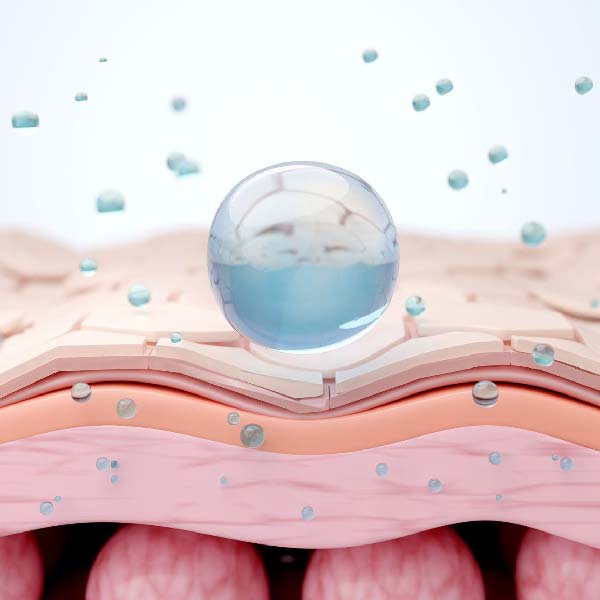
Hyaluronic acid holds 1,000x its weight in water. Two drops deliver deep hydration that fills in fine lines from the inside out. That “just had a facial” plumpness? You’ll see it by day three.
Protects while you glow.
Vitamin E and rosehip oil create an antioxidant shield against free radicals—the environmental damage that ages skin faster than time itself. Think of it as insurance for your complexion.
How It Feels
Silky, not sticky. Absorbs in 15 seconds. No pilling under makeup. No scent—because we don’t hide synthetics behind “fragrance.” Just pure, clean ingredients doing their work.
The Difference You’ll Notice
| Timeline | What Changes |
|---|---|
| Day 3 | That “fresh” feeling when you touch your face—skin’s smoother, softer |
| Day 14 | The glow. People ask if you got more sleep or changed your foundation |
| Week 8 | Dark spots fade, texture evens out, fine lines visibly soften |
Who It’s For
Anyone dealing with dullness, uneven tone, early signs of aging, or post-breakout scarring. Gentle enough for sensitive skin. Powerful enough to see results.
How to Use
After cleansing, apply 2-3 drops to face and neck. Morning and night. Follow with moisturizer. Vitamin C in AM, retinol in PM—they don’t share well.
What’s Inside (and why it matters)
| Ingredient | Why We Chose It |
|---|---|
| 15% L-Ascorbic Acid | The most researched form for brightening and collagen synthesis—not the cheaper derivatives |
| Hyaluronic Acid (3 molecular weights) | Hydrates multiple skin layers simultaneously |
| Rosehip Oil (Cold-Pressed) | Natural vitamin A + essential fatty acids for skin repair |
| Vitamin E (Tocopherol) | Stabilizes vitamin C and protects against oxidative damage |
| Aloe Vera Extract | Soothes and reduces redness |
Free from: Parabens, sulfates, phthalates, synthetic fragrances, mineral oil. Cruelty-free. Vegan.
The Promise
If you don’t see brighter, smoother skin in 60 days, we’ll refund you. Keep the bottle. We’re that confident it works.
Strategic Logic — Serum
- Technical transparency as trust builder: “We used L-Ascorbic Acid because the cheaper derivatives don’t do the heavy lifting” directly addresses the educated consumer’s skepticism. Explaining the cost-efficacy tradeoff signals honesty over profit-maximization.
- Benefit translation without jargon: “Hyaluronic acid holds 1,000x its weight in water” is science. “That ‘just had a facial’ plumpness by day three” is the outcome. One earns trust; the other earns the sale.
- Timeline management: Day 3, Day 14, Week 8 results set realistic expectations and reduce refund requests by educating buyers on how skincare actually works.
- Sensory anchoring: “Silky, not sticky. Absorbs in 15 seconds. No pilling under makeup” addresses the unspoken deal-breakers before they form.
Product 2: Deep Hydration Night Cream
Category: Night Moisturizer | Anti-Aging | Barrier Repair | Price: $56 | 50ml / 1.7 fl oz
Target Pain Points: Skin that feels tight even after moisturizing; morning creases that take hours to fade; loss of firmness and “bounce”; night creams that feel suffocating; products that promise results but leave greasy residue.
Before: Original Copy
“Introducing our luxurious Deep Hydration Night Cream, a rich and nourishing nighttime moisturizer designed to work with your skin’s natural overnight renewal process. This premium formula combines the moisturizing benefits of shea butter with advanced peptide technology and ceramides to deliver maximum hydration…“
Every line is a category claim. Nothing distinguishes this from the ten other premium night creams already in the buyer’s wishlist.
After: Rewritten Copy
The only moisturizer that works as hard as you do—while you sleep.
You’ve earned rest. Your skin deserves it too.
This isn’t your typical night cream that sits on top of your skin, leaving a greasy pillowcase. This is deep, drink-it-up hydration that actually sinks in and rebuilds what the day stripped away.
What It Does
Repairs overnight damage.
Your skin cells regenerate fastest between 11 PM and 4 AM. Matrixyl 3000 signals collagen production during those critical hours—essentially giving your skin a reconstruction crew while you sleep. Wake up to plumper, firmer skin. Not the morning creases that used to linger until noon.
Locks in moisture, doesn’t just sit on top.
Three types of ceramides rebuild your skin’s protective barrier—the invisible shield that keeps hydration in and irritants out. We didn’t cheap out and use just one. Your skin has multiple ceramides naturally; we matched them. No more waking up to tight, dry patches.
Melts into skin like butter. Feels like air.
Shea butter delivers intense moisture without that suffocating heaviness. It absorbs completely—no residue, no shine, no transfer to your pillow. You’ll forget you’re wearing it. Your skin won’t.
The Difference You’ll Notice
| Timeline | What Changes |
|---|---|
| Tomorrow morning | Skin feels hydrated when you wake up, not tight or thirsty |
| Day 5 | Those little dry patches around your nose? Gone |
| Week 3 | Texture noticeably smoother, fine lines around eyes softer, that “good skin bounce” is back |
Who It’s For
Dry skin that drinks up moisturizer and still feels thirsty by 2 PM. Mature skin noticing loss of firmness. Anyone whose skin looks tired even after 8 hours of sleep. The “my moisturizer isn’t cutting it anymore” crowd.
How to Use
After cleansing and serum, warm a pearl-sized amount between fingertips. Press gently into face and neck. Use nightly. Wake up different.
What’s Inside (and why it matters)
| Ingredient | What It Does |
|---|---|
| Matrixyl 3000 (Peptide Complex) | Signals skin to produce more collagen and elastin—the stuff that keeps skin firm |
| Ceramide NP, AP, EOP | The three main ceramides your skin actually has. We included all of them, not just the cheap one |
| Shea Butter (Organic) | Rich in vitamins A and E, deeply nourishes without clogging pores |
| Squalane (Plant-Derived) | Mimics skin’s natural oils for seamless absorption |
| Niacinamide (5%) | Calms redness, improves texture, supports barrier function |
Parabens, synthetic fragrances, silicones, mineral oil. Cruelty-free. Vegan.
The Promise
Your skin should feel noticeably softer within one week. If it doesn’t, return it for a full refund within 60 days.
Strategic Logic — Night Cream
- Sleep science as authority: “Skin cells regenerate fastest between 11 PM and 4 AM” positions nighttime as an active repair window—making the product feel essential rather than optional.
- Ingredient differentiation through honesty: “We didn’t cheap out and use just one ceramide” educates while implying competitors cut corners—without naming them.
- Texture objection handling: “No residue, no shine, no transfer to your pillow” addresses the #1 complaint about night creams before it becomes a reason not to buy.
- Relatable persona language: “The ‘my moisturizer isn’t cutting it anymore’ crowd” creates immediate recognition. Conversational identification converts faster than clinical segmentation.
Product 3: Gentle Reset Cleanser
Category: Daily Cleanser | Sulfate-Free | Sensitive Skin | Price: $28 | 120ml / 4 fl oz
Target Pain Points: Tightness and discomfort immediately after washing; reactive skin that freaks out at most products; the false choice between “clean” and “comfortable”; makeup removal requiring multiple steps.
Before: Original Copy
“The Gentle Reset Cleanser is a mild, sulfate-free facial cleanser that has been carefully formulated to effectively remove dirt, oil, makeup, and environmental pollutants from your skin without causing irritation or disrupting your skin’s natural pH balance…”
Accurate. Forgettable. Not a single reason to stop scrolling.
After: Rewritten Copy
Your skin shouldn’t have to choose between clean and comfortable.
Most cleansers treat your face like a dirty dish—scrubbing away everything, including the moisture your skin actually needs.
This one doesn’t.
Where it belongs
The Towel-Dry Test
Wash your face with your current cleanser. Pat dry. Does your skin feel tight within 30 seconds?
That’s damage, not clean.
Try ours. No tightness. No squeaky dryness. Just skin that feels… normal. The way it should after washing.
What Makes It Different
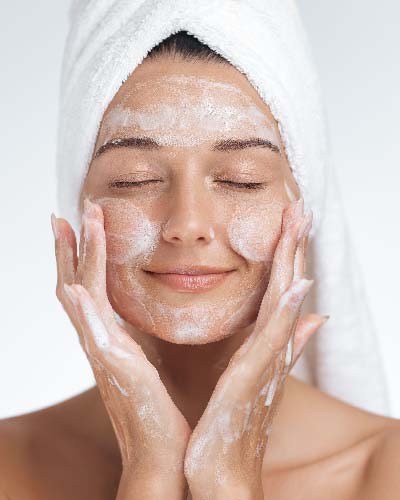
We use oat-derived cleansing agents instead of sulfates. Same clean. Zero punishment. Your skin’s pH stays balanced, so it doesn’t spend the next hour trying to recover from being washed.
Chamomile and calendula calm redness while you cleanse. Perfect for reactive skin that freaks out at everything—or post-treatment skin that needs gentle care.
How It Feels
Creamy, not foamy (foam = sulfates = regret). Glides on like a lightweight milk. Melts away makeup—even waterproof mascara. Rinses completely clean. No film. No tightness. No reaching for moisturizer in a panic.
Who It’s For
Sensitive skin that reacts to everything. Dry skin tired of cleansers that make it drier. Anyone using retinol or acids who needs a gentle reset. Rosacea-prone skin that needs soothing, not aggravation.
How to Use
Morning and night. Massage onto damp skin for 30 seconds. Rinse with lukewarm water. That’s it.
What’s Inside
| Ingredient | What It Does |
|---|---|
| Oat Kernel Extract | Gentle surfactant that cleanses without stripping |
| Chamomile + Calendula | Calm redness, soothe irritation |
| Glycerin | Keeps skin hydrated during cleansing |
| Green Tea Extract | Antioxidant protection while you wash |
Free from: Sulfates, parabens, synthetic fragrances, essential oils, drying alcohols. Cruelty-free. Vegan.
Strategic Logic — Cleanser
- The Diagnostic Hook: The Towel-Dry Test gives readers a physical, immediate way to identify a problem they didn’t know they had. Creating the “aha moment” before introducing the product makes conversion feel like self-discovery, not selling.
- Reframing “clean”: “That’s damage, not clean” challenges decades of skincare conditioning. Repositioning tightness as injury—not thoroughness—reframes the entire category.
- Memorable formula: “Foam = sulfates = regret” makes ingredient education stick without a chemistry lesson.
- Colloquial persona language: “Reactive skin that freaks out at everything” creates immediate identification. Clinical descriptions inform; colloquial ones convert.
Product 4: Recovery Night Oil
Category: Facial Oil | Intensive Repair | Barrier Support| Price: $42 | 30ml / 1 fl oz
Target Pain Points: Skin that feels depleted after long, stressful days; moisturizer that barely makes a dent in dryness; barrier damage from weather or over-cleansing; water-based products that don’t penetrate; the need for skincare that feels like self-care, not just maintenance.
Before: Original Copy
“Our Recovery Night Oil is a luxurious blend of premium botanical oils specifically selected for their nourishing and restorative properties. This facial oil has been formulated to provide your skin with essential nutrients, vitamins, and fatty acids that help to repair and rejuvenate the skin during the nighttime hours when cellular renewal is at its peak…”
Generic positioning for a product that has a genuinely unique story to tell.
After: Rewritten Copy
When moisturizer isn’t enough—this is.
Some nights, your skin just feels… depleted. Tight. Dull. Like it’s holding on by a thread after a long day of stress, pollution, and dry office air.
Regular moisturizer barely makes a dent.
This is when you need oil. Real, plant-based oil that doesn’t just sit on your skin—it absorbs, penetrates, and actually repairs damage at the cellular level.
What It Does
Rebuilds what the day destroyed.
Your skin’s lipid barrier takes a beating daily. Environmental stress, harsh weather, even over-cleansing breaks it down. Jojoba oil is molecularly identical to your skin’s natural sebum—we’re giving your skin exactly what it recognizes and needs to repair itself.
Delivers nutrients moisturizer can’t.
Rosehip oil is one of the highest natural sources of vitamin A—retinol’s gentler cousin. It stimulates cell turnover and collagen production while you sleep, without the irritation of prescription retinoids. Oil carries these nutrients deeper into skin than water-based products ever could.
Anti-aging that penetrates, not just promises.
Argan oil’s vitamin E content neutralizes free radicals before they can damage collagen. Fine lines soften. Texture smooths. Old acne scars start to fade.
The Ritual (This Matters More Than You Think)
Warming oil between your palms. The earthy, barely-there scent of cold-pressed plants. Pressing it gently into your skin—not rubbing, pressing.
This isn’t just skincare. It’s the 60 seconds where you actually slow down.
There’s something grounding about oil. The weight of it. The way it makes you pause. Your nervous system registers: rest time. Sleep comes easier after this ritual.
Not placebo—actual nervous system regulation.
How It Feels
Surprisingly light for an oil. Absorbs within 2-3 minutes—no greasy residue on your pillow. Your skin drinks it up because these oils are molecularly similar to what your skin naturally produces. It recognizes them. Welcomes them. Uses them.
The Difference You’ll Notice
| Timeline | What Changes |
|---|---|
| First morning | Skin feels different—softer, more supple, like it actually rested |
| Week 2 | Dry patches disappear, skin absorbs your morning moisturizer better |
| Month 2 | Fine lines less visible, tone more even, that “expensive skincare” glow people ask about |
Who It’s For
Dry, dehydrated skin that needs more than moisturizer can give. Mature skin dealing with loss of elasticity. Anyone using actives (retinol, acids) who needs barrier repair. Skin that looks dull no matter how much you moisturize. People who need their skincare routine to feel like self-care, not a chore.
How to Use
After cleansing and serum, warm 3-4 drops between palms. Take a breath—seriously, slow down for a second. Press gently into face and neck. Use alone or mix 2 drops into your night cream. 2-3 times per week, or nightly for very dry skin.
What’s Inside
| Ingredient | What It Does |
|---|---|
| Jojoba Oil (Organic) | Molecularly identical to skin’s sebum—regulates oil production, absorbs completely |
| Rosehip Oil (Cold-Pressed) | High in vitamin A and essential fatty acids for cell regeneration |
| Argan Oil (Moroccan) | Vitamin E powerhouse, deeply nourishing without heaviness |
| Sea Buckthorn Oil | Omega-7 for barrier repair and anti-inflammatory benefits |
| Vitamin E (Natural) | Preserves oil freshness, provides antioxidant protection |
Free from: Synthetic fragrances, mineral oil, silicones. Pure plant oils only. Cruelty-free. Vegan.
The Promise
If your skin isn’t noticeably softer and more radiant within two weeks, return it for a full refund.
Strategic Logic — Night Oil
- Emotional need recognition: “Some nights, your skin just feels… depleted” acknowledges the emotional state before the physical condition. Beauty purchases are often driven by how we feel, not just how we look.
- The Ritual section: Dedicating an entire block to the sensory and psychological experience justifies premium pricing through emotional ROI. The product becomes mental health support, not just skin treatment.
- Nervous system legitimacy: “Not placebo—actual nervous system regulation” bridges wellness language with scientific credibility—validating the emotional benefit while preempting skepticism.
- Absorption science: “Oil carries nutrients deeper into skin than water-based products ever could” answers the unasked objection: “Isn’t my moisturizer enough?”
- Anti-greasy reassurance: “No greasy residue on your pillow” addresses the #1 fear about facial oils—named and dismissed before it becomes a deal-breaker.
Why This Works: The Conversion Mechanics Across All SKUs
Psychological Triggers Applied
| Trigger | How It’s Used |
|---|---|
| Aspiration + Skepticism Balance | Every product opens with an emotional aspiration (“brighter, firmer, impossibly smooth”) and immediately grounds it in scientific specificity. Neither alone would convert this audience |
| Diagnostic Hooks | The Towel-Dry Test, the mirror moment, the 5 PM crash—each gives readers a physical way to self-diagnose a problem they already have but haven’t named |
| Identity Language | “The ‘my moisturizer isn’t cutting it anymore’ crowd” is not segmentation—it’s recognition. Readers who feel seen buy faster |
| Ritual Reframing | The Night Oil’s “60 seconds where you actually slow down” transforms a skincare step into emotional ROI—justifying premium pricing without defending it |
| Pre-emptive Objection Handling | Pillow residue, pilling under makeup, post-wash tightness, foam preference—every category deal-breaker is named and dismissed before it becomes a reason to bounce |
Conversion Principles Applied
- Cascading benefits structure: Each description connects skin outcomes to life outcomes. Vitamin C serum → bright skin → confidence without concealer → morning routine feels easier. The product sells the downstream benefit, not just the surface one—an approach supported by e-commerce product page UX research showing how clarity and structure influence purchase decisions..
- Timeline specificity as trust: Day 3, Day 14, Week 8—concrete timelines reduce post-purchase regret and refund rates by setting realistic expectations. Vague promises disappoint. Specific ones build confidence.
- Technical transparency as differentiation: Explaining why L-Ascorbic Acid over cheaper derivatives, why three ceramides instead of one, why oat-derived over sulfates—turns ingredient choices into proof of brand integrity.
- Sensory copy alongside results copy: “Silky, not sticky. Absorbs in 15 seconds.” Texture and experience are purchase drivers in beauty. Both dimensions are addressed in every description.
Content Architecture: Before vs. After
| Dimension | Original Copy | Rewritten Copy |
|---|---|---|
| Opening | Category description | Pain point or aspiration |
| Ingredient framing | Feature list | “Why we chose this” transparency |
| Usage instructions | Clinical directions | Sensory experience |
| Results | General benefits | Specific timelines |
| Objection handling | None | Built into every section |
Key Takeaways
- Educated beauty buyers buy transformation, but they won’t believe it without science. The copy earns trust through specificity—ingredient forms, dosages, biological mechanisms—before selling the emotional outcome.
- Diagnostic hooks convert faster than benefit claims. Giving readers a way to self-identify a problem makes the product feel like a logical solution they discovered, not one they were sold.
- Objection handling is a structural decision, not a one-liner. Pillow residue, pilling under makeup, post-wash tightness—each is addressed within the flow, not in a FAQ afterthought.
- Timeline specificity reduces post-purchase regret. Saying “you’ll see results by day three” and “fine lines soften at week eight” manages expectations honestly—and converts better than vague promises.
- Premium pricing needs emotional ROI. The Night Oil’s Ritual section shows that $42 isn’t just for skin repair—it’s for the only 60 seconds in the day where you actually stop. That’s worth more.
- Persona language beats clinical segmentation every time. “Reactive skin that freaks out at everything” creates recognition. Recognition creates trust. Trust creates the sale.
FAQ
Why doesn’t the copy lead with ingredients if buyers are ingredient-conscious?
Because ingredient-conscious buyers know what ingredients are. What they don’t know—and what earns the purchase—is why this brand chose these specific forms at these specific dosages over cheaper alternatives. That’s the distinction the copy makes throughout.
How does this copy handle the “natural = less effective” skepticism?
By leaning into scientific mechanisms rather than away from them. The copy doesn’t defend “natural”—it explains why oat-derived cleansing outperforms sulfates, why cold-pressed rosehip oil carries vitamin A deeper than synthetic retinoids. The science earns the claim.
Why are there Before/After sections for each product?
To demonstrate strategic transformation—not just good writing. A portfolio viewer (a potential client) needs to see the gap between what they likely have and what’s possible. The originals make the rewrites land harder.
Can this approach work across different beauty price points?
Yes. The principles scale—Technical Transparency, Diagnostic Hooks, Timeline Specificity, Ritual Framing. The specific triggers and reference points shift by price point and persona, but the conversion architecture transfers.
What makes the results timelines credible rather than just marketing?
Specificity and honesty. “Day 3: skin feels smoother” is a modest, sensory claim. “Week 8: dark spots fade” is a longer, realistic timeline for a pigmentation result. This graduated, realistic sequencing signals that the brand understands how skincare actually works—which is the credibility signal this audience is looking for.
Turning Skincare Product Pages into Conversion Assets?
This case study is for natural beauty brands and D2C skincare companies with strong formulations that their product pages aren’t doing justice to.
Turn Your Product Pages into Conversion Assets
If your product pages list ingredients but don’t explain why—this is the strategic copywriting that bridges the gap.
Get in touch to discuss your product description needs